.svg)

.svg)






3 min read
Oct 20, 2026
Komatsu and Atlassian Williams Racing find common ground in Düsseldorf
- Williams F1 partnership,Discover Komatsu,Blog
4 min read

Key takeaways
· Kaizen is the Japanese idea that getting a little better every day adds up
· Kaizen is used to drive significant gains in quarry operations
· Smart Quarry Site measures processes to see what to change and if its effective
· Everyone working from one set of data truths helps build strong culture
How many times have you heard, “There’s no silver bullet?” It’s a reminder that challenges rarely have a single, sweeping solution. There’s almost never ONE thing that’s going to fix the issue or solve the problem.
That mindset defines “Kaizen,” a Japanese word derived from “kai,” meaning change, and “zen,” meaning for better: change for the better. The concept was borne out of post-World War II Japan and influenced by American quality experts like W. Edwards Deming sent to help rebuild the country. You may have heard that Kaizen is a central element of the legendary Toyota production system. It is also core to Komatsu’s “Komatsu Way” quality management approach.
The very heart of Kaizen is achieving success through frequent small improvements to processes, systems and routines. It’s making small changes, bit by bit, that become very big changes over time, as small changes compound:
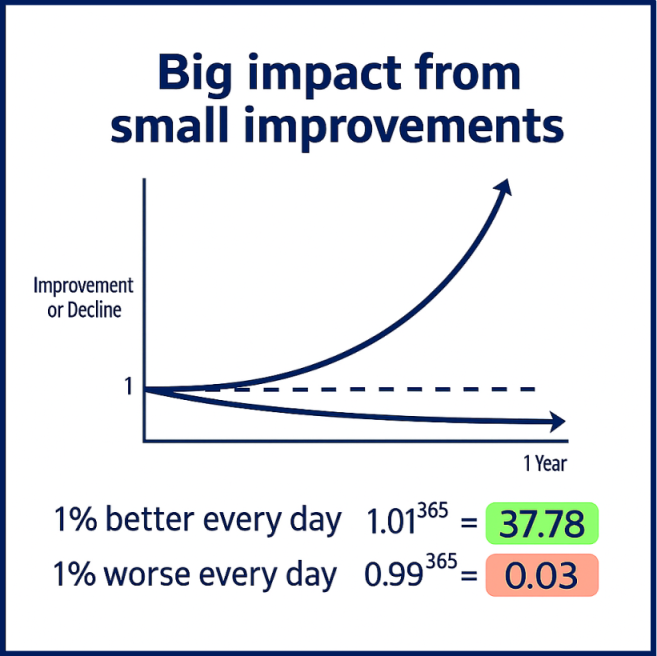
When an operation improves a tiny 1% each day, it will be 38 TIMES BETTER at the end of one year.
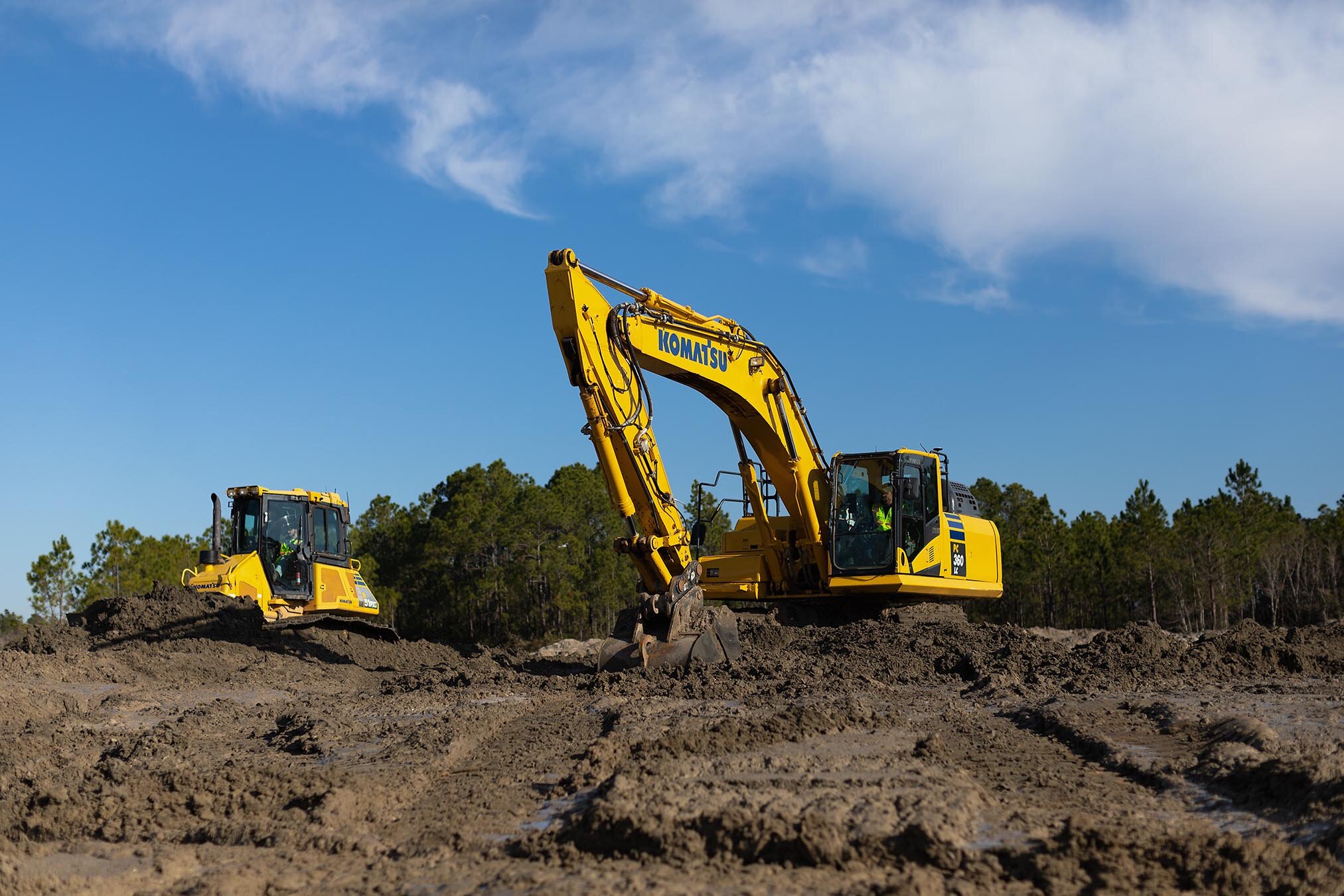
What does this mean for a quarry? That to improve your operation, to move more rock and produce more profit, don’t look for one big change or investment. Commit to small, effective improvements, every single day.
You’re intrigued by a Kaizen approach. Everyone in your organization, from the CEO to the foreman through the machine operators have ideas to boost production (Empowering employees to suggest and implement improvements is another core tenet of Kaizen).
Maybe it’s a little more in the bucket. Or a little less cycle time. Or a revised haul road to eliminate bottlenecks.
But then how do you know what’s working? Sometimes, you can maybe see total production numbers and make estimates. A lot of the time, you might find yourself guessing, honestly.
This is where a fleet management system (FMS) like Komatsu’s Smart Quarry Site can be an integral part of the Kaizen process.
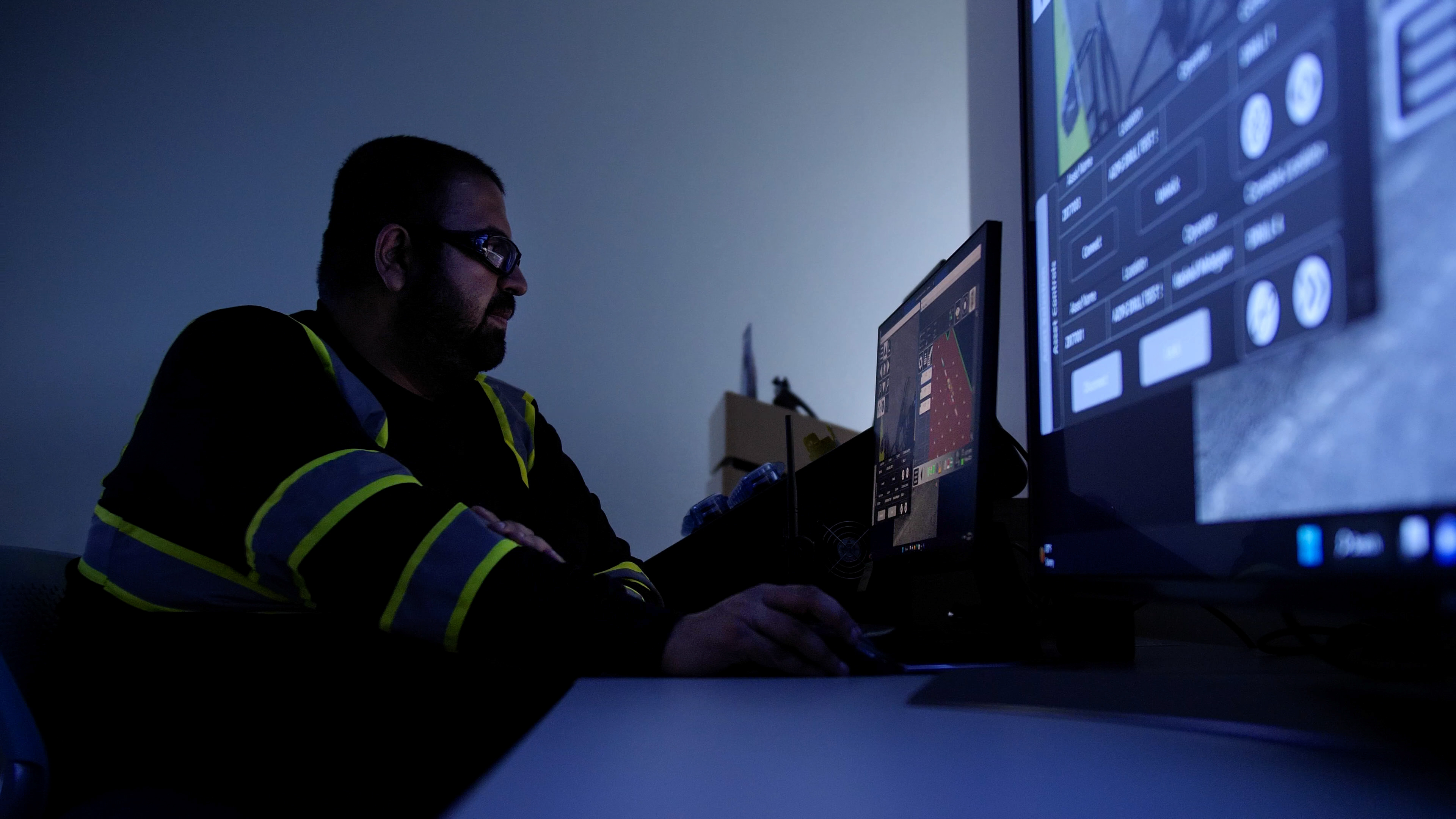
The Smart Quarry Site system puts trackers on quarry haul trucks and connected in-cab monitors in trucks and loaders. Then a host of dashboards show you their performance to evaluate their effectiveness and identify performance opportunities. And to know if they are working.
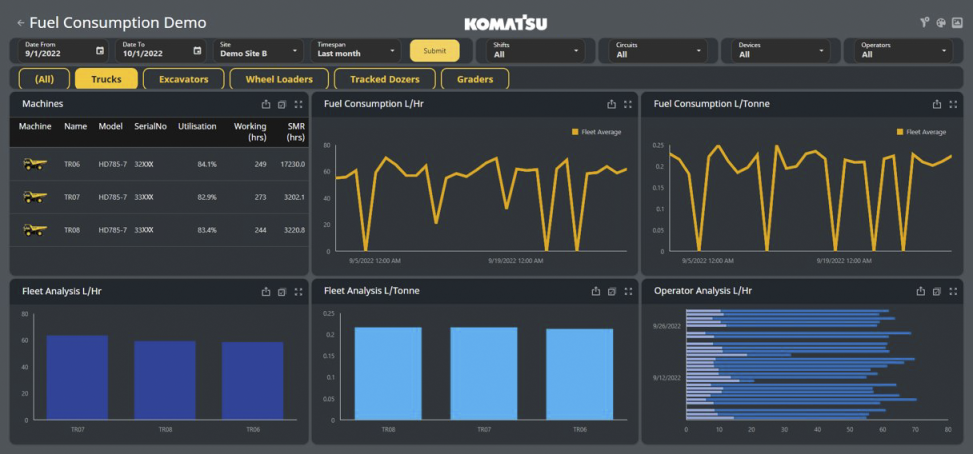
For example, a loader operator is confident they are fully loading trucks. The foreman believes it too. When they start using Smart Quarry Site, the operator sees the load in the truck in real time on their in-cab monitor and can use this information to load the truck to the payload target to drive maximum efficiency.
“I would have bet the farm they could not add another rock to those trucks,” said a site manager at a Smart Quarry Site operation. “With the help of Smart Quarry Site, the operator was able to add another load to each truck. I was wrong.”
That’s the difference between guessing and knowing. And that one more load per truck can add up to big improvements.
Now add that “one more load” per truck to two, three and four loaders. Then add in a few seconds faster cycle time. Or adjust your haulage fleet and deployment. After just a few months, the gains can be significant. And you’ll know it because you can see it in the numbers.
Continuous improvement doesn’t stop
Kaizen doesn’t end once a target is hit. There are always improvements to be made, no matter how small. Quarries also evolve with changing weather conditions, demand, and quarry design and structure. But by measuring and adapting and coaching with Smart Quarry Site users can:
With real-time visibility, past performance becomes a roadmap, not just a record. Teams are empowered to stop reacting to problems and instead start preventing them from happening.
By embracing Kaizen with the insights from Smart Quarry Site, quarries have the tools to enable them to not only move more rock, but also to build a culture of continuous improvement.