3 min read
Oct 23, 2026
How underground hard rock mining reaches valuable minerals
- Career development,Company,Williams F1 partnership,Discover Komatsu
3 min read

From smartphones and transportation to electricity and infrastructure, many products we rely on begin with minerals. Learn what surface mining is and how skilled people, large equipment, technology, service and careful planning work together to help provide essential resources.
What connects a lightweight race car, a hospital power system, a steel bridge and the smartphone in your hand?
Each depends on materials with specific physical properties that have been sourced, processed and transformed through a long supply chain.
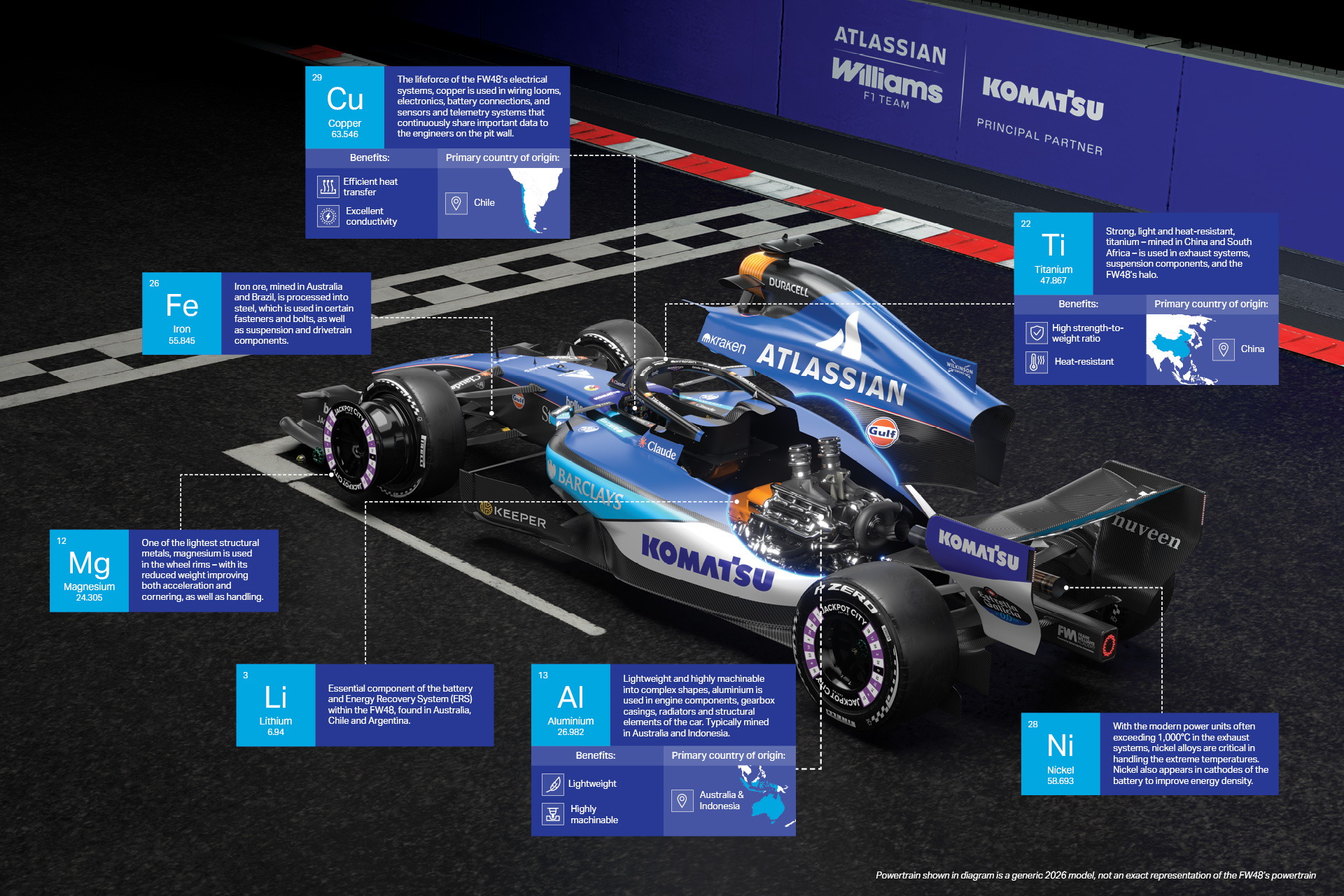
Bauxite is processed into aluminum, which can help reduce vehicle weight. Copper carries electricity. Iron ore is used to make steel for buildings, transportation and infrastructure. Nickel and lithium are used in selected battery chemistries and other technologies.
Before manufacturers can turn these resources into useful products, deposits must be identified, evaluated and prepared for processing. For many deposits located relatively close to the surface, that work begins at a surface mine.
Surface mining is one part of a much longer supply chain. The material used in a finished product may also pass through processing, refining, manufacturing, reuse and recycling, often across several countries and companies.
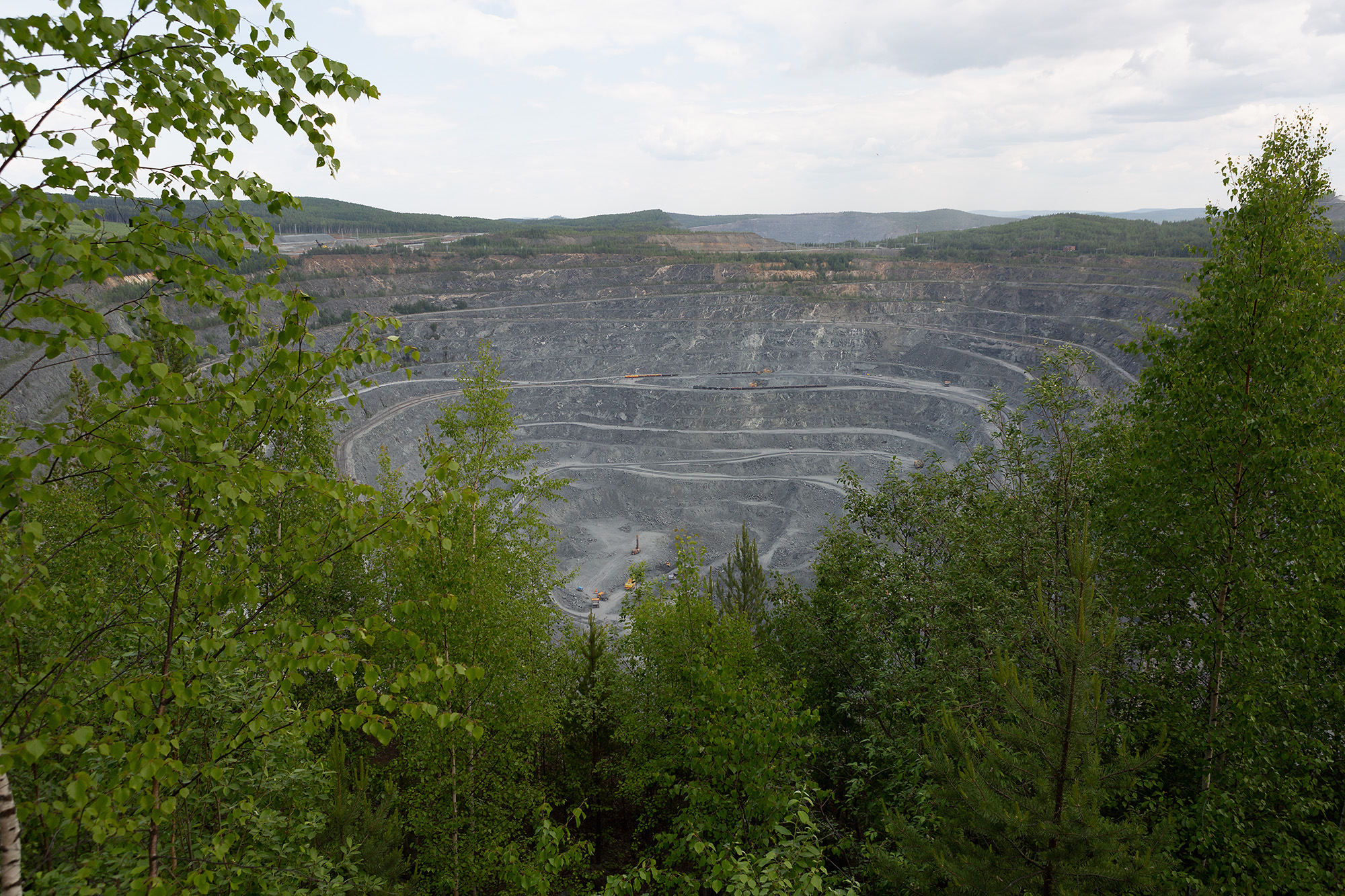
Surface mining recovers deposits located relatively close to the surface. Whether it is appropriate depends on the deposit’s depth, shape and geology, as well as safety, environmental, technical and economic considerations. An open operation creates the working space needed to move people, equipment and material through a planned sequence.

Surface mines can produce resources used in familiar products and infrastructure. Examples include iron ore for steel, copper for electrical systems, and bauxite, the primary source of aluminum. Some operations produce nickel- or lithium-bearing material. Others recover stone and aggregates used in constructing roads and buildings.
Not every deposit is mined from the surface, and no single method is appropriate everywhere. Geologists and engineers study the location, shape and composition of a deposit before a mine plan is developed. Teams also consider how material will be moved and processed, how water and land will be managed and how the site will be closed or prepared for its future use.
The plan continues to change as teams gather more geological, environmental and operational information throughout the mine’s life.
A photograph of a mine can make its largest machines look surprisingly small. That is because the roads, working levels and surrounding landscape are also built on a vast scale.
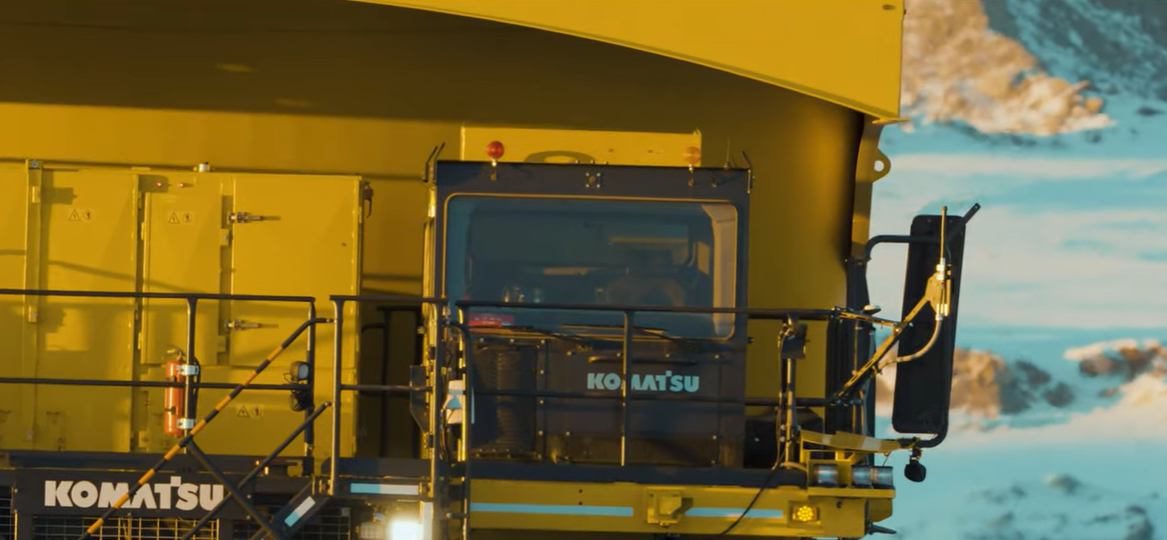
Up close, a haul truck can rise several stories above the road. The bucket or dipper on a large loading machine can move a substantial amount of material in one cycle. Tires, access stairs and operator cabs may appear oversized until a person or service vehicle enters the frame.
Size allows equipment to move the volumes required by a large operation, but scale also creates complexity. Operators need clear sightlines and well-maintained roads. Loading and hauling must be balanced. Maintenance work must be planned around very large components. Teams must also manage traffic, communications and safe working distances.
The impression is not simply one of power. It is one of control: enormous machines completing carefully planned movements, repeatedly and in coordination with the people and systems around them.
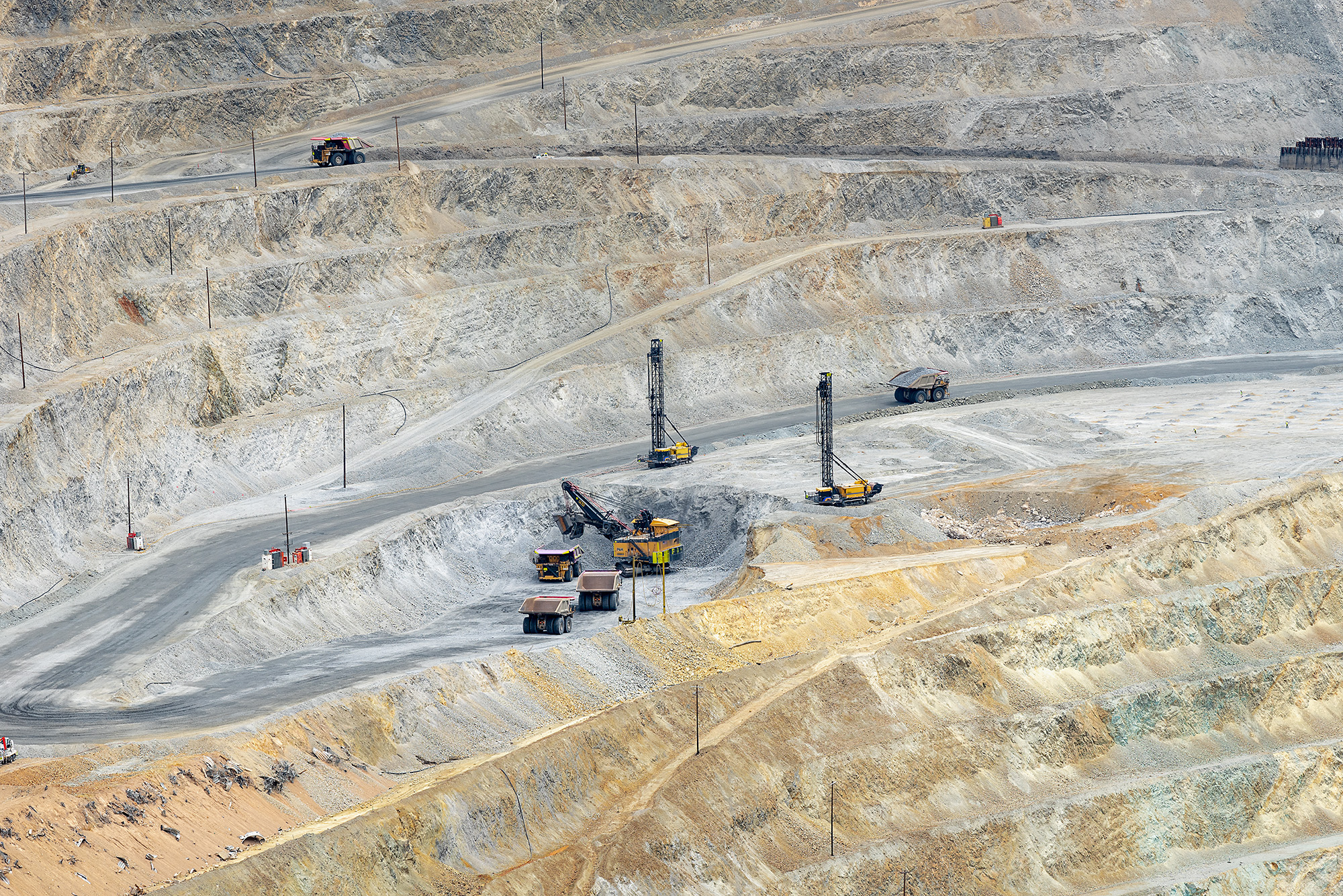
A surface mine is not one machine doing one job. It is a connected operation in which every movement affects what happens next.
Geologists, engineers and planners first use information about the deposit to design the operation. Where required, blasthole drills prepare rock for controlled blasting. Electric rope shovels, hydraulic excavators or wheel loaders then load material into haul trucks.
The trucks carry material to a crusher, stockpile, processing facility or another planned destination. Dozers and motor graders support the operation by maintaining working areas and roads. At the processing stage, valuable material is separated or prepared for the next part of the supply chain.
Each activity must be coordinated with the wider plan. A delay at a loading area can affect truck movement. Road conditions can influence travel. Processing capacity can change where material should go. Maintenance requirements can alter the sequence again.
That interdependence is why modern mining relies on multidisciplinary teams and advanced technologies and solutions, not equipment alone.
Equipment and operating systems can provide information about fleet movement, payload, machine condition and production progress. That information is used to coordinate work, plan maintenance and respond as geological conditions or priorities change.

Digital tools help teams compare plans with what is happening across the mine. Fleet information may reveal congestion between a loading area and a crusher. Machine-condition information may help maintenance teams investigate an emerging issue. Updated geological data may change where material should move next.
Some operations also use autonomous haulage or remote-operation technologies. Their use varies by site, but the purpose is similar: Give teams greater visibility and more consistent ways to coordinate complex work.
Technology does not replace the need for experience. Operators understand machine behavior. Maintenance professionals know how equipment responds over time. Engineers assess how one change may affect the wider operation. Trainers, service teams and technical specialists help mines use the technologies effectively.
The most useful information is not necessarily the largest amount of data. It is the information that helps a qualified person make a timely, well-informed decision.
Watch how autonomous and remote technologies can help a mine team coordinate equipment, improve operational visibility and support more consistent work. The example shows one application; technology choices differ by mine, operating conditions and customer priorities.
Mining companies plan and operate mines. Komatsu supports customers at selected stages of that work with equipment, technologies, solutions and technical expertise.
The equipment can include drills, loading tools, haul trucks and machines that maintain roads and working areas. Technology solutions can help customers manage fleets, monitor payloads, understand equipment condition or introduce autonomous and remote capabilities where appropriate.
Support continues beyond the delivery of a machine. Depending on the customer and region, Komatsu teams and distributors support maintenance planning, parts, training, performance insights and on-site technical support.
The value is not in any one machine or data point. It comes from helping the customer connect people, equipment and information around the needs of the operation. That collaborative approach can help teams address changing conditions, maintain equipment and make more informed decisions across the mine life cycle.
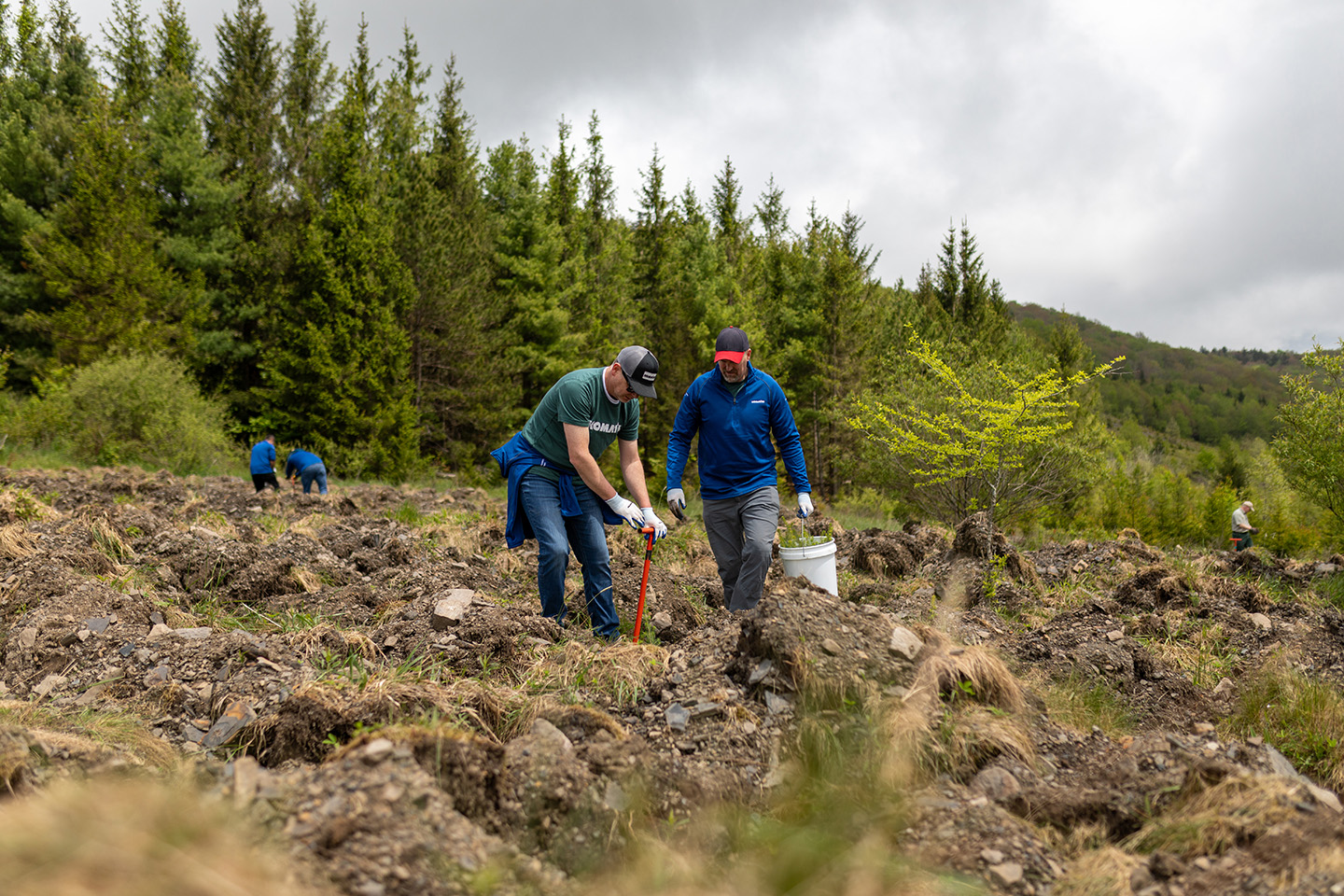
A mine’s future is considered long before its final day of production. Closure and reclamation plans are shaped by local laws, environmental conditions, community priorities, land ownership and the site’s intended next use.
Work can begin while mining is still active. Teams may stabilize slopes, manage water, replace soil, establish vegetation or prepare completed areas for another use. The objective is not identical at every mine, and reclamation isn’t automatically returning a site to its exact original condition.
On formerly mined land around the world, Komatsu has worked with environmental partners to prepare land and plant native trees. It is one example of how equipment, environmental knowledge, community involvement and long-term care can come together after mining.
It is easy to admire the finished result: A lighter racing vehicle, a more resilient power network, a taller building or a new generation of electronics.
Behind each achievement is a long chain of materials, knowledge and skilled work. Future transportation, energy systems, digital infrastructure and technologies not yet imagined will also depend on physical resources, as well as responsible processing, manufacturing, reuse and recycling.
Surface mining is one part of that system. It is a large, complex and increasingly connected environment where geologists, operators, engineers, maintenance professionals, environmental specialists and many others work together.
A breakthrough may take shape in a laboratory or design studio. But some of the materials that make it possible will begin their journey much earlier, at a mine planned and operated with precision, supported by people, equipment and technology at every stage.
See how mining teams across surface and underground operations combine skilled people, equipment, technology, service and support, and how Komatsu works alongside customers to help address complex operational challenges.
Ever wondered what a race car is actually made of? Discover how Komatsu’s mining machines help build Atlassian Williams F1 Team’s FW48.