.svg)


min read
May 31, 2026
PLUS system
- Services and Support
1 min read
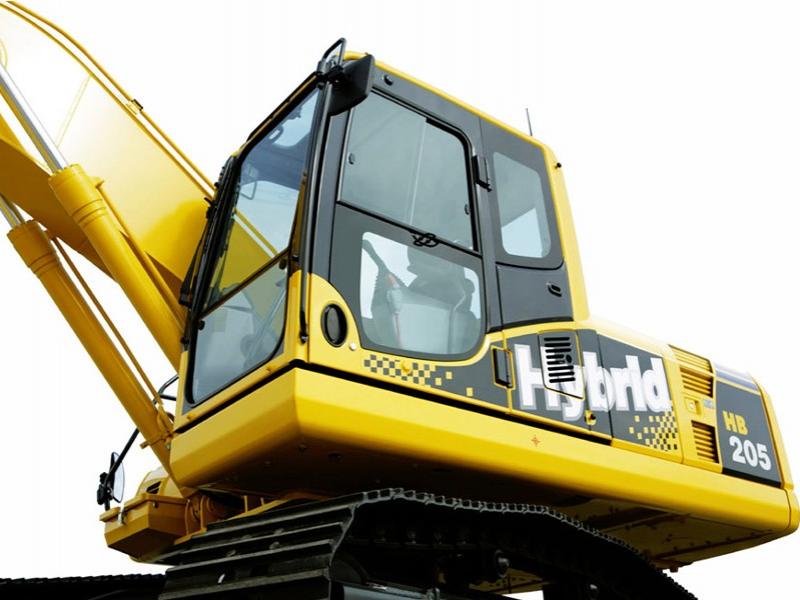
There are certain systems and components that can be considered the heart of your machine. They directly influence its operation and can affect the balance of critical factors, such as fuel consumption and component wear. All systems must be kept in perfect working order, which requires proper maintenance.
The quality of the fuel, hydraulic oil, coolant, and the air that feeds your equipment’s systems directly influences its performance and extends its service life.
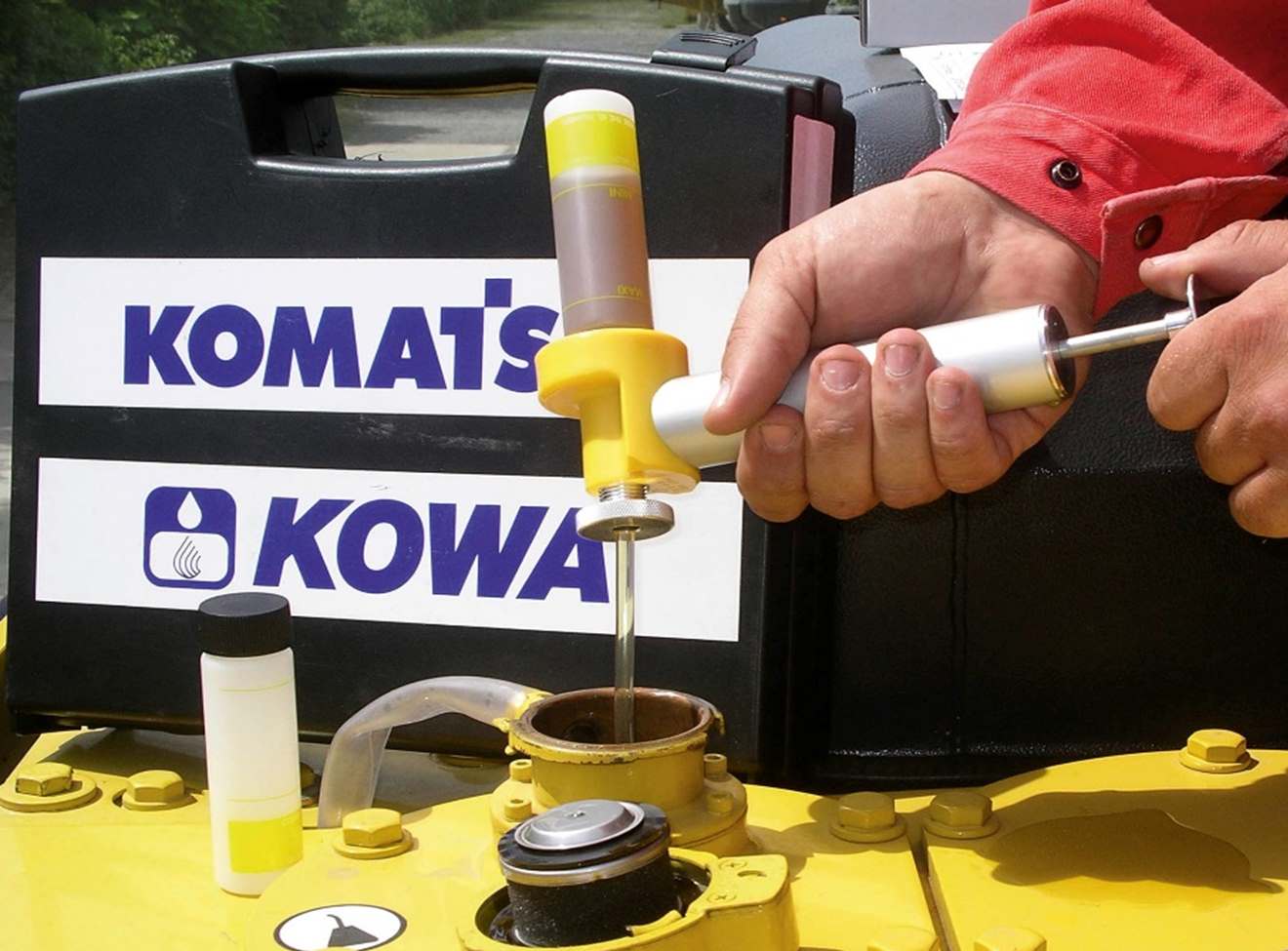
FOWA consists of guides and tips developed by Komatsu to assist dealers and customers in the proper handling of these systems and the standards that must be followed.
To maximize the service life of your equipment’s engine, using high-quality fuel is essential. It is very important to know how to assess the quality of the fuel being used in your equipment to ensure proper combustion and, above all, to prevent impurities from entering the system.
More than 85% of engine fuel system failures are caused by water and dust in the system.
Most of these impurities are trapped by the fuel filter, which is responsible for trapping dirt and impurities present in the fuel, in the fuel tank, or that enter the system when refueling in dusty areas; it also blocks moisture from the air in the tank and prevents rust from forming there.
A clogged or malfunctioning filter causes symptoms that can be noticed during operation:
Therefore, it is recommended that you perform certain daily checks at the beginning and end of the workday, as well as during fueling and storage. These steps, combined with the use of genuine Komatsu filters, will certainly drastically reduce the occurrence of failures or malfunctions related to the fuel injection and filtration system and make your operation more efficient.
Inspection tips:
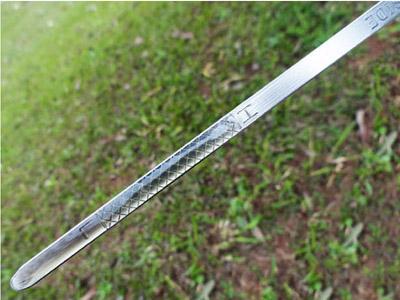
To comply with exhaust emission standards, it is necessary to use high-quality engine oil; therefore, we recommend genuine Komatsu lubricants. Using the right lubricant, combined with proper operation and maintenance, helps extend the service life of your Komatsu equipment:
Always use multi-viscosity oil appropriate for the ambient temperature at the worksite. This type of oil withstands temperature changes and maintains its viscosity. In addition, it prevents component wear. When changing the type of oil, replace the entire specified capacity. The oil mixture remaining in the lines will not cause problems. Perform oil changes according to the intervals described in the Operation and Maintenance Manual for your Komatsu equipment.
Be careful not to allow water or any dirt to enter the reservoir while refilling with oil, and do not use dirty containers or hoses to perform this procedure.
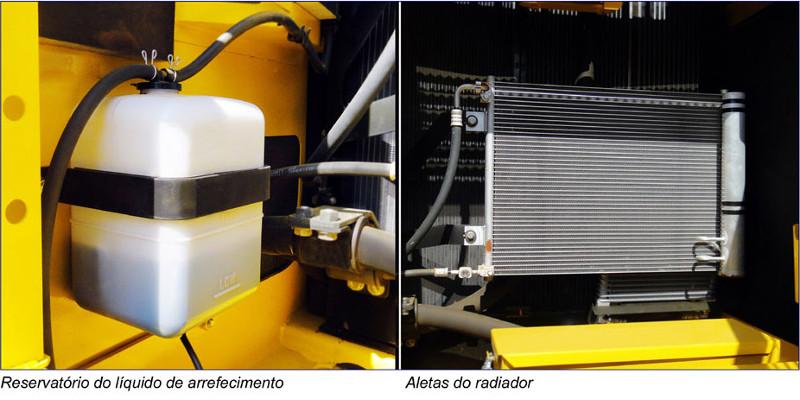
Coolant is used to prevent engine damage that can be caused by water freezing at low temperatures. Water freezes at 0 °C, but when coolant is mixed with water, the freezing point is lowered. The freezing point varies depending on the amount of coolant mixed with the water.
Komatsu coolant can be used for 2 years or 4,000 hours, whichever comes first, and has the following characteristics:
After using the correct coolant, maintenance should be performed periodically, as specified in the Operation and Maintenance Manual for your Komatsu equipment.
It is recommended that some of these checks be performed daily, before starting work:
Important: Whenever you need to remove the coolant reservoir cap, wait for the engine to cool down.
It is also recommended to periodically check the radiator fins: Clean them from time to time. If they become clogged, the engine will overheat.
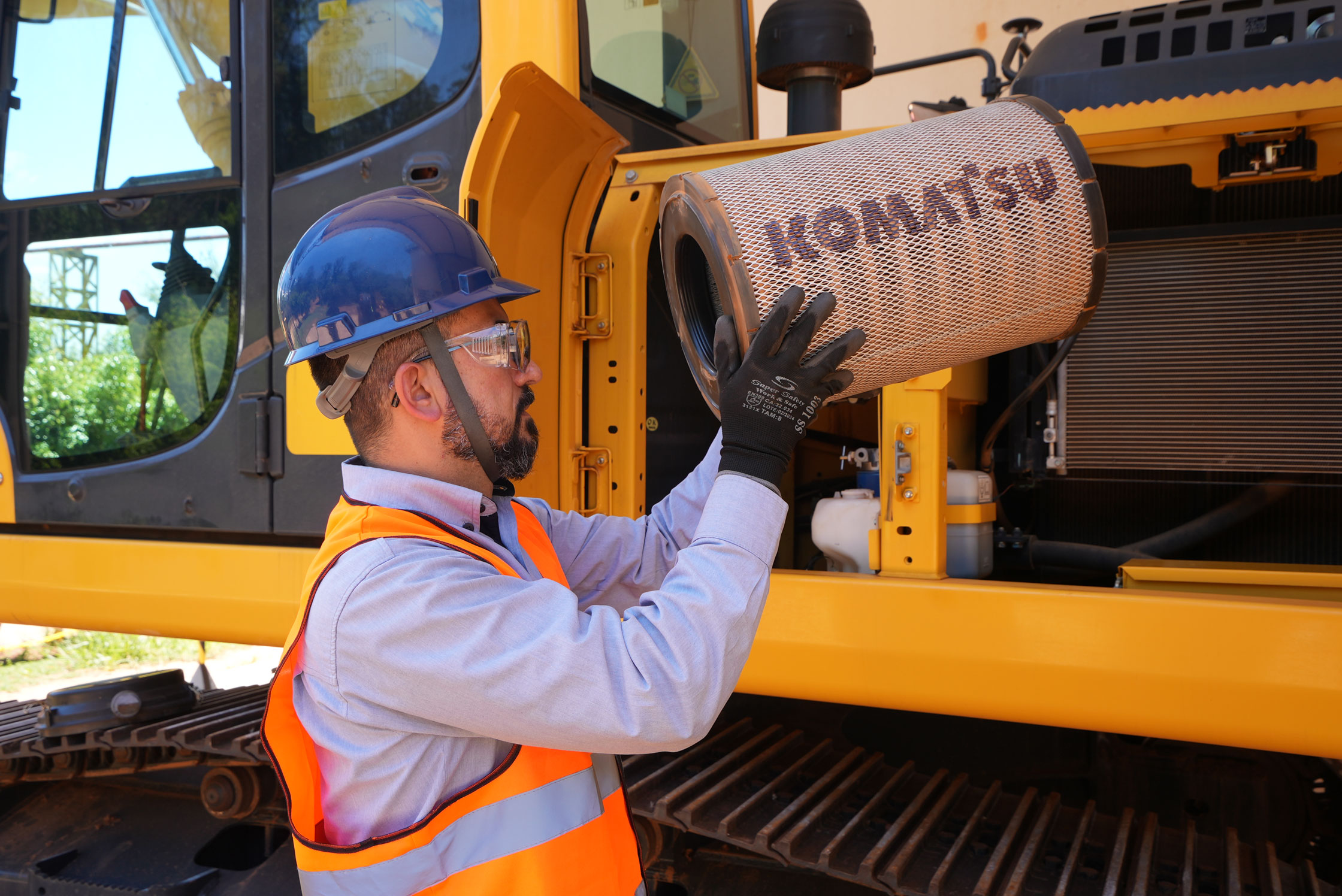
When the engine draws in dust suspended in the air, various problems can arise, including wear on the cylinders and piston rings, which results in a loss of power and the emission of dark smoke, increased oil consumption, reduced engine power, and overheating of the turbocharger and exhaust manifold.
The air system filters out all these dust particles and impurities, supplying clean air to the engine and thereby ensuring its optimal performance and extending the service life of your Komatsu equipment.
To avoid these problems, periodic inspection and maintenance of the equipment’s air system is necessary: