
.svg)






1 min read
Sep 8, 2026
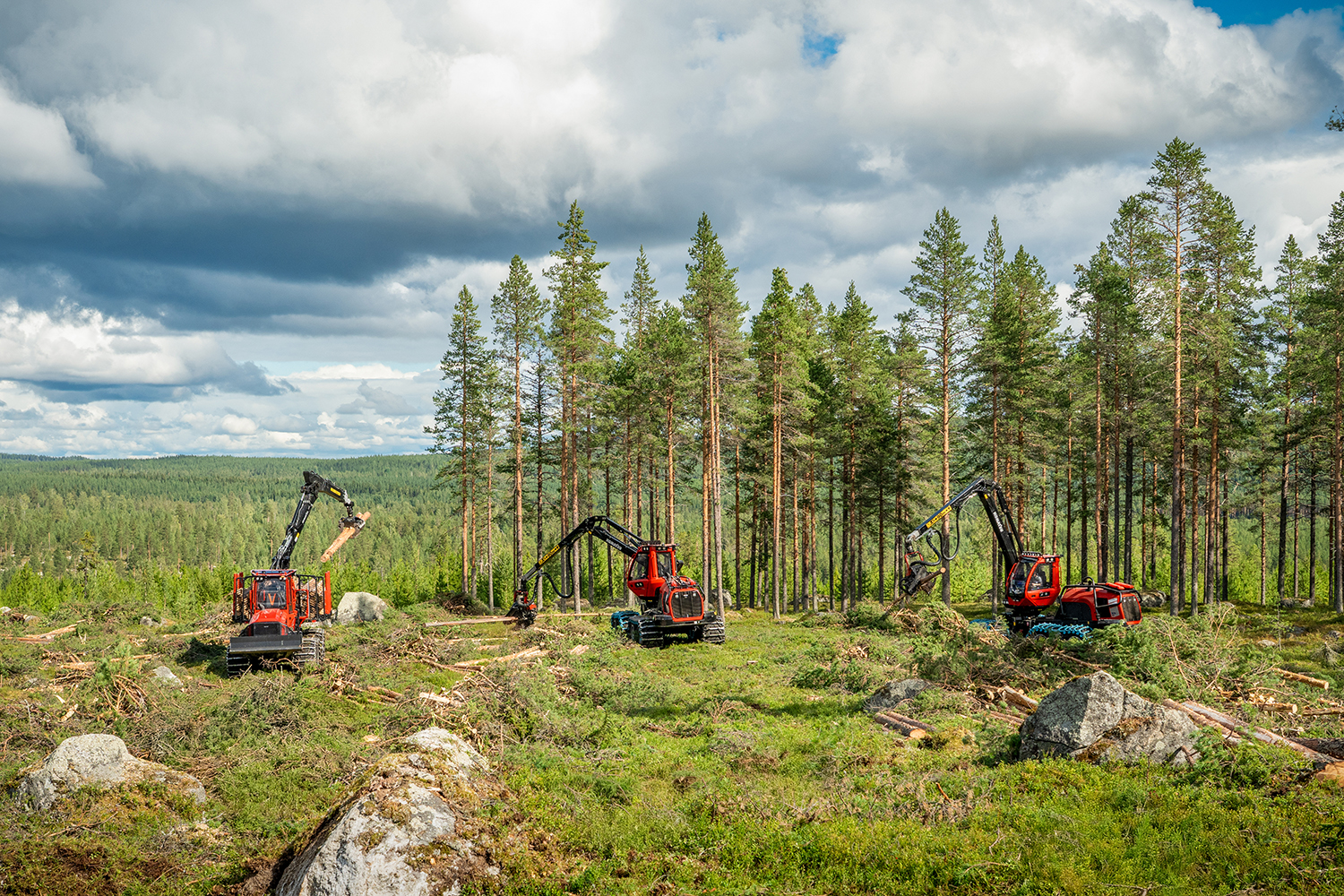
Next generation forestry machines – Komatsu introduces upgraded harvesters and forwarders
- Press release,Forestry,Product and service
1 min read

October 16, 2025 -- When choosing a wheel loader, attention often turns to power, load capacity, or operator comfort. But a decisive factor for productivity and operational efficiency lies in the transmission: hydrostatic (HST) or powershift.
Main technical differences
Hydrostatic transmission (HST) consists of a pump and hydraulic motors, powered by oil, which provide a fast response and low levels of energy transfer losses. Furthermore, they feature embedded intelligence that adjusts power and speed according to the terrain and application, ensuring fuel economy and agility in confined spaces. The powershift transmission functions like a gearbox with gear packs, offering robustness and reliability for larger-scale operations and more demanding applications, such as mining and quarries.
When should you choose each one?
Costs and efficiency
Hydrostatic transmissions tend to have lower maintenance costs, precisely because of their simple construction. Furthermore, it offers significant fuel consumption savings in urban, agricultural, and industrial operations. While the powershift transmission requires more robust maintenance, it is the most reliable choice when the severity of the application demands maximum durability.
Impacts on productivity
Choosing the right transmission goes beyond mere preference: it directly impacts the total cost of ownership, operational efficiency, and sustainability. At Komatsu, for example, the HST transmissions feature exclusive features, such as the automatic shutdown of an engine above 13 km/h, which further optimizes fuel consumption.
Trends in the Brazilian market
While compact wheel loaders are gaining ground in urban and agricultural applications, medium and large models remain essential for mining, aggregates, and heavy construction. Each segment requires a suitable solution, and therefore understanding the advantages of each transmission is essential.
Innovation and sustainability
Komatsu is a pioneer in the application of hydrostatic transmissions in its wheel loaders, reinforcing its commitment to operational efficiency and the reduction of environmental impacts. Lower fuel consumption means fewer emissions, greater savings, and increased competitiveness for the customer.



.jpg)


