3 min read
13 Oct 2026
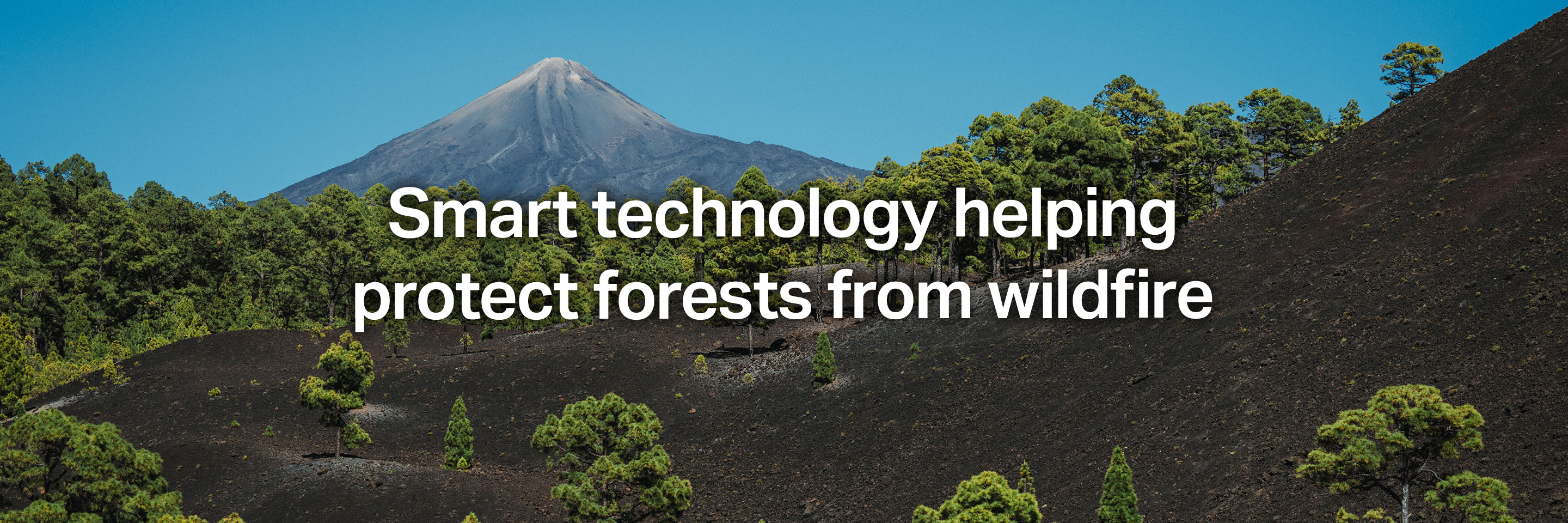
Tenerife wildfire fighters
- Innovation,Company,Sustainability,Forestry,Smart Forestry,Blog
3 min read

The world’s most demanding jobsites are also among the richest sources of insight. By bringing together field experience, customer perspectives, rigorous testing and machine data from across regions, Komatsu teams turn real-world challenges into better machines, systems and solutions.
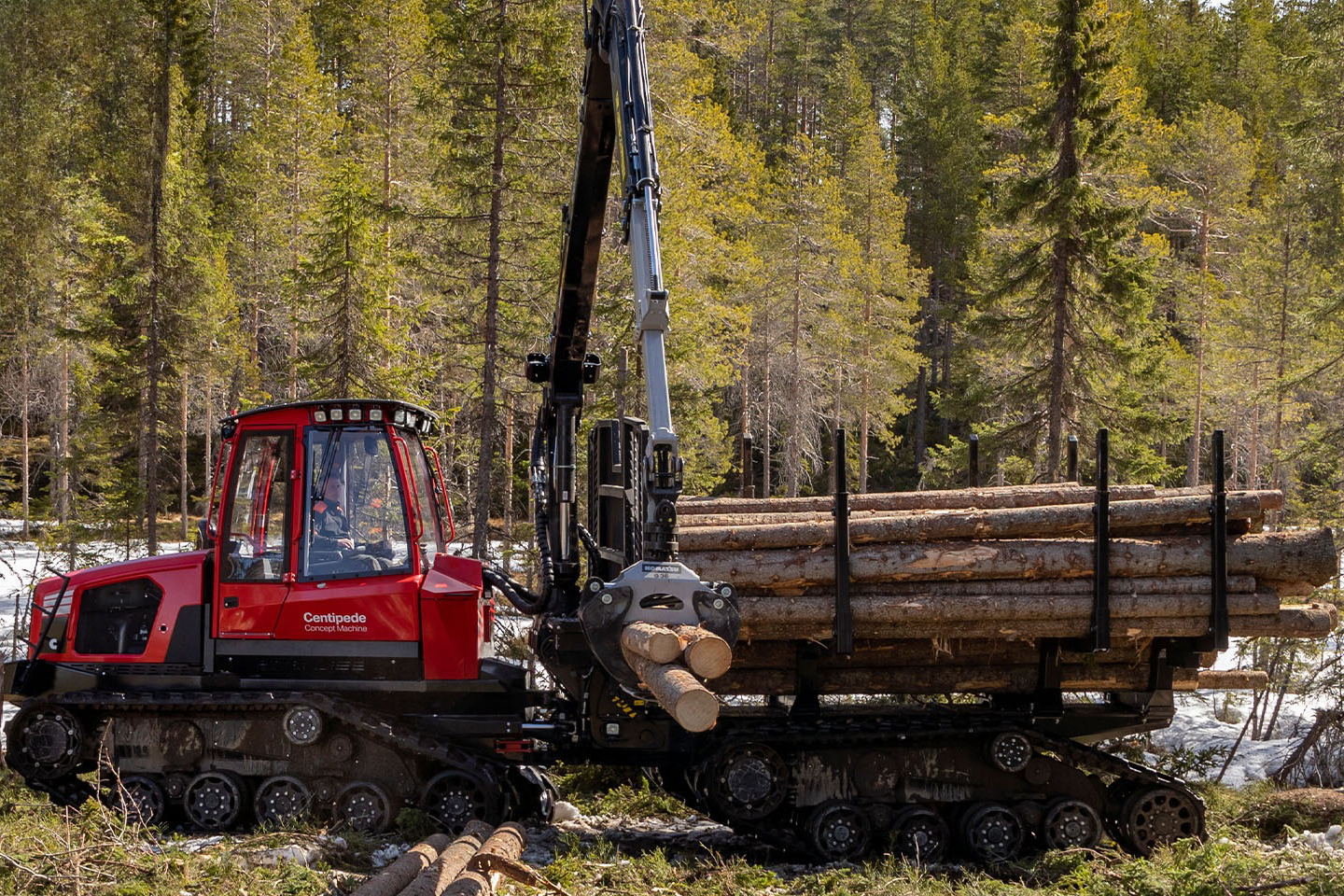
Heavy equipment works in places where conditions can change quickly and dramatically. Surface mines may operate at high altitude, where thinner air can affect engines and drive systems. Underground operations bring confined spaces, heat, ventilation challenges and limited connectivity. Forestry equipment may work through snow, mud or uneven terrain. Across these environments, the work can test assumptions built into a machine long before it reaches the field.
For Komatsu teams, designing for extremes begins with curiosity and the humility to keep questioning what they know. As Adelai Terpin, Product Manager for Surface Haulage, puts it: “We don’t know what we don’t know.”
Terpin said surface mining haul trucks are designed to operate from -50 C (-58 F) to 48.9 C (120 F) That range is one example of why teams keep listening to operators, technicians, distributors and customers. Real conditions can expose needs that were not obvious during development.
From snow-covered forests to high-altitude mines and confined underground spaces, working conditions create different demands on heavy equipment. Understanding those demands helps engineers determine what each application requires before deciding how a machine should be designed.

Underground mining makes the relationship between working conditions and equipment design especially clear. Limited space influences a machine's size, visibility and controls. Tyler Vien, Global Product Manager for Underground Loaders and Trucks, explains that an underground loader is not simply a conventional loader made smaller. The operator may sit sideways because the machine frequently travels in both directions.
The environment can also change how technology works. As Toby Cressman, Director of Control and Automation, explains, satellite positioning may not be available underground. Instead, teams can use technologies such as lidar and simultaneous localization and mapping to help machines determine their position and navigate confined spaces.
“When the usual tools are not available, you have to go back to the problem and ask what the machine really needs to know,” Cressman said.
For operators working underground, space and visibility are part of every movement. Equipment must support the tasks they perform within the physical limits of the mine.

A different solution is only useful if it works for the people who depend on it. Greg Ladewig, Director of Machine Solutions at Komatsu Mining Technology, sees simplicity as part of good engineering as technology becomes more capable.
“Customers don't need complex solutions with endless features. They need products that are simple, intuitive and do what they're expected to do,” Ladewig said.
That discipline matters in demanding environments, where reliability, maintainability and clear operation can be as important as adding new capability.
Controlled testing creates a foundation, but field validation shows how a design responds to the complexity of real work. The goal is not only to confirm expectations. It is to find what the team did not anticipate while there is still time to learn from it.

Prototype and preproduction equipment can be tested in real working conditions so teams can see where a design behaves differently than expected.
“The goal is to find the weak points while we still have time to learn from them,” Vien said.
Ryu Yamamura, a Team Manager in Autonomous Haulage System Development, saw that during work on an obstacle detection system. His team collected data from lidar sensors installed on customer trucks to understand how dust accumulated and affected sensor performance.
“Understanding how quickly a sensor becomes contaminated and how much its performance deteriorates as a result can be just as important as the sensor’s specifications themselves when determining cleaning frequency and practical performance limits,” Yamamura said.
The field data helped the team understand practical cleaning needs and account for dust generated by nearby vehicles in the system design.
The example also shows how insight gathered in one operation can become useful knowledge for teams designing and supporting equipment elsewhere.

Machine data adds another perspective. Temperatures, motor currents and operating parameters can help engineers investigate how equipment behaved over time.
“The data can show us that a motor temperature was rising, but it cannot tell us everything that was happening around the machine,” Cressman said.
An operator knows what the machine was doing. A technician understands the maintenance context. A customer understands the work. When engineers connect those perspectives with the data, they get a fuller picture of what happened and what deserves closer attention.
That learning can travel, too. Feedback from one region can help another team ask a better question somewhere else. No single operating environment can teach engineers everything.
That learning can travel, too. Insight from one customer, application or region can help another team ask a better question somewhere else. By sharing what teams observe across Komatsu, lessons from one demanding environment can strengthen how equipment is designed and supported for many others.
For the people at Komatsu designing and supporting heavy equipment, extreme conditions are more than a test of the machine. They are a chance to learn.
An unexpected result can challenge an assumption. A technician's observation can explain what the data cannot. A customer's experience can reveal a need that was not visible during development. Each lesson gives engineers another question to ask and another perspective to bring to the next design.
That willingness to stay curious is how Komatsu turns experience into progress. By listening to the people closest to the work, testing what we think we know and sharing what we learn, we can keep creating solutions that help people, businesses and communities move forward.
Meet more people behind the progress and explore how Komatsu teams are using experience, technology and new ways of thinking to shape what comes next.